Strategy in an ordinary tab

Four long-game maps
for evenings that stretch out

Some evenings call for a map rather than a scoreboard. These four free-to-play browser strategy games all ask you to grow something small into something awkward to attack, and they all reward a player who thinks a week ahead instead of a minute. Every one opens in a tab, and every one is free to join.

Tribal Wars key art
01 · Village strategy in the Middle Ages

Tribal Wars

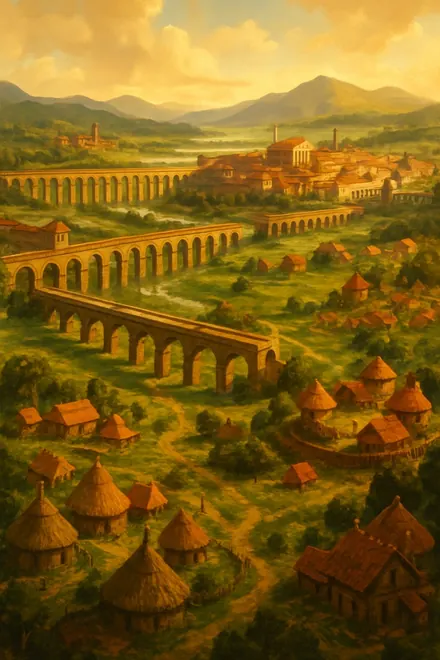
One small village of huts and muddy fields is all you get at the start, and turning it into a walled settlement means balancing timber, clay and iron while troops train in real hours. Scouting neighbours, agreeing borders and joining a tribe decide whether you survive your first month.

Good for
Competitive players who enjoy slow, deliberate conquest.
Typical session
Two or three brief looks a day
Where it runs
Desktop browser, with an official mobile app as well
Cost
Free to play, with the in-game shop left optional.
Your first session
  1. Raise the three resource pits together; one lagging behind stalls everything else.
  2. Keep the hiding place and the warehouse upgraded so an overnight raid cannot clean you out.
  3. Apply to a tribe in the first week, because warnings from neighbours are worth more than walls.
Open Tribal Wars, freeOpens en.tribalwars.net in a new tab
Grepolis key art
02 · Island strategy in ancient Greece

Grepolis

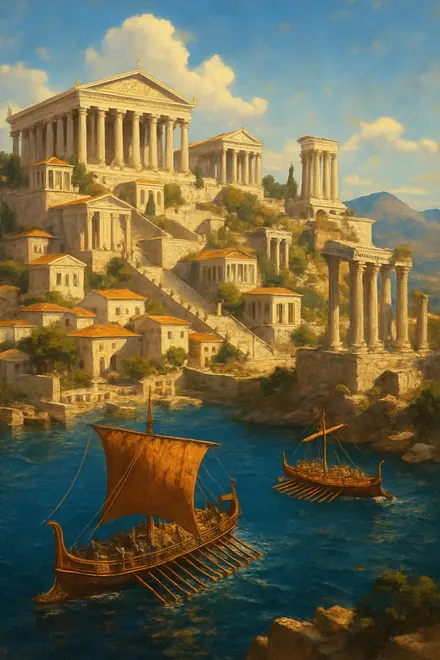
You begin with one polis on one island and grow it into a harbour city with quarries, barracks and triremes. Winning the favour of a god unlocks mythical units, and the map of small islands means navies decide most of what happens between players.

Good for
Players drawn to ancient history and fights decided at sea.
Typical session
Ten to twenty minutes
Where it runs
Desktop browser, with an official mobile app as well
Cost
Free to play, with the in-game shop left optional.
Your first session
  1. Choose a god early and keep your favour accumulating; the mythical units are worth the wait.
  2. Build ships before you build dreams, since every island fight begins on the water.
  3. Settle your second city near the first so defenders can reach either one quickly.
Open Grepolis, freeOpens us.grepolis.com in a new tab
Travian key art
03 · Empire and village strategy

Travian

Pick one of the tribes, each with its own units and quirks, then build a village into a cluster and a cluster into an empire. A server runs for months and finishes with alliances racing to raise a wonder of the world, which makes co-operation the real engine of the game.

Good for
Long-game strategists who like a server with a proper ending.
Typical session
A handful of minutes, several times a day
Where it runs
Desktop browser, with an official mobile app as well
Cost
Free to play, with the in-game shop left optional.
Your first session
  1. Read what your chosen tribe is good at before planning any army around it.
  2. Expand to a second village as soon as your culture points allow; one village plateaus fast.
  3. Line up with an alliance that shares your timezone, since defence arrives in minutes, not hours.
Play Travian freeOpens travian.com in a new tab
Lords & Knights key art
04 · Castle strategy in the Middle Ages

Lords & Knights

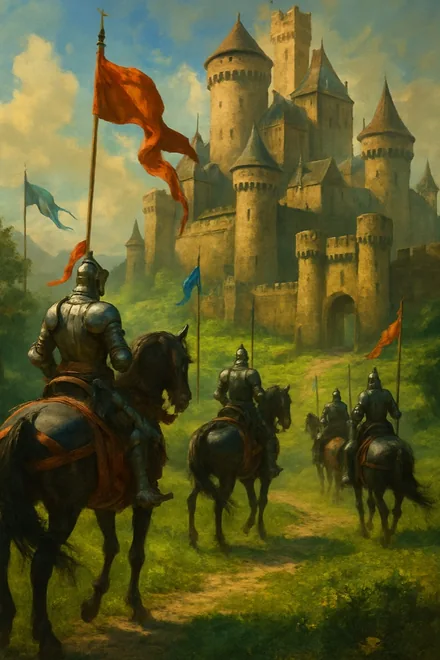
Stone castles, not villages: you keep timber, stone and ore moving, garrison what you own and take more strongholds from the map around you. Everything happens on one shared surface in real time, so a quiet border is worth as much as a full barracks.

Good for
Players who like holding ground and trading with neighbours.
Typical session
Quick check-ins spread through the day
Where it runs
Desktop browser, with an official mobile app as well
Cost
Free to play, with the in-game shop left optional.
Your first session
  1. Get storage up before troops, or your production simply overflows and is wasted.
  2. Take the nearest unclaimed castles first and keep your holdings tight together.
  3. Talk to the lords on your border early; a trade route is cheaper than a siege.
Open Lords & Knights, freeOpens lordsandknights.com in a new tab

The four side by side

Tribal WarsGrepolisTravianLords & Knights
GenreVillage strategy in the Middle AgesIsland strategy in ancient GreeceEmpire and village strategyCastle strategy in the Middle Ages
PaceRound-the-clock real timeSteady real timeSlow real time, a whole server longReal time across one big map
Who you play alongsideTribes of players in allianceAlliances spanning island groupsAlliances chasing a shared wonderAlliances holding stretches of the map
Typical sessionTwo or three brief looks a dayTen to twenty minutesA handful of minutes, several times a dayQuick check-ins spread through the day
Where it runsDesktop browser, with an official mobile app as wellDesktop browser, with an official mobile app as wellDesktop browser, with an official mobile app as wellDesktop browser, with an official mobile app as well
CostFree to play, with the in-game shop left optional.Free to play, with the in-game shop left optional.Free to play, with the in-game shop left optional.Free to play, with the in-game shop left optional.

What free to play actually means

Joining costs nothing in all four, and you can play for months without paying a cent; nothing essential sits behind a wall.

Each studio does run a shop inside its game selling premium currency, decorations or faster timers. Plenty of players never look at it, and if other people in the house use the same computer it is worth setting spending limits on the studio account.

Your first evening in any of them

The link under a game opens that studio’s own site in a new tab. You register there, normally with an email address, and your first village, polis or castle is standing within a couple of minutes.

Follow the opening task list rather than wandering off. It walks you through resources, building queues and co-operation in an order that saves you a rebuild later.

Fitting a slow game into a full week

All four carry on without you. Fields fill, queues finish, armies march and messages pile up while the tab is closed, so a look in the morning and another at night keeps you level with everyone else.

Use the short visits for housekeeping: collect, queue the next job, answer your alliance. Save the long evenings for decisions that matter, such as where to settle, which border to tidy up and when to commit troops.

Keeping your logins yours

Every account belongs to the studio that made the game, so only ever type that password on the studio’s own pages. Give each game a different password and switch on two-step sign-in wherever it is offered.

Real support staff never ask for a password in a chat window or an email. Anyone promising free premium currency for your login details is after the account itself.

Why these four made the shelf

  • An ordinary laptop browser is enough, and nothing has to be installed before you begin.
  • Signing up is free and the whole game stays playable without spending; the shop is a side door, not the entrance.
  • Your village, island or castle keeps working with the tab shut, so a five-minute look still moves things along.
  • All four have run for many years with sizeable player bases and studios that still ship updates.

No. All four run in a standard desktop browser with no extra software.

Yes. Registration and play are free in every one, and the in-game shops are entirely optional.

No. Separate studios build and run them; our links simply open each official site so you can register there.

No. Four studios means four sign-ups, one for each game.

Every one of the four, as it turns out: Grepolis and Travian put out iOS and Android builds just as Tribal Wars and Lords & Knights do. An app is never the price of entry, mind, and the tab version remains the quickest way to sit down with any of them.

Timers keep running and orders keep being carried out, which is why short regular visits suit these games better than one long night.

Grepolis for the shortest learning curve, Travian if you want a server with a finish line, and Tribal Wars or Lords & Knights if holding territory is the part you enjoy.